About me
My
bio
FAMILY HISTORY
The Mokate Group is one of the few Polish companies that may boast a multi-generational tradition.
It goes back to the year 1900 when the members of the Mokrysz family became the owners of a colonial shop in a small place called Dobra in today’s Czech Republic. In 1990 the grandson of the first owner, Kazimierz Mokrysz, handed the company over to his wife, Teresa Mokrysz.
It was then that the company changed its name to Mokate which is an acronym of three words: MOkrysz-KAzimierz-TEresa.
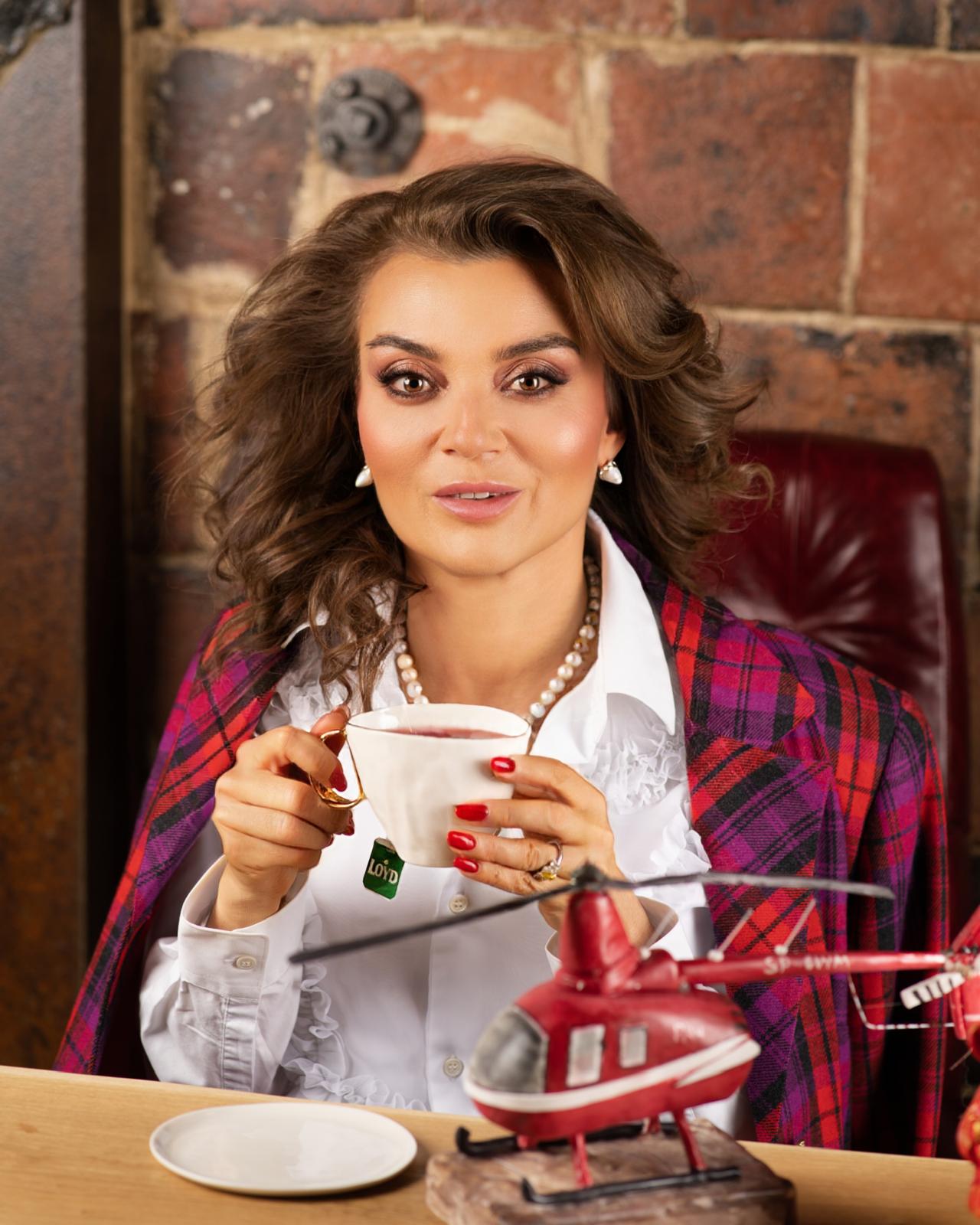
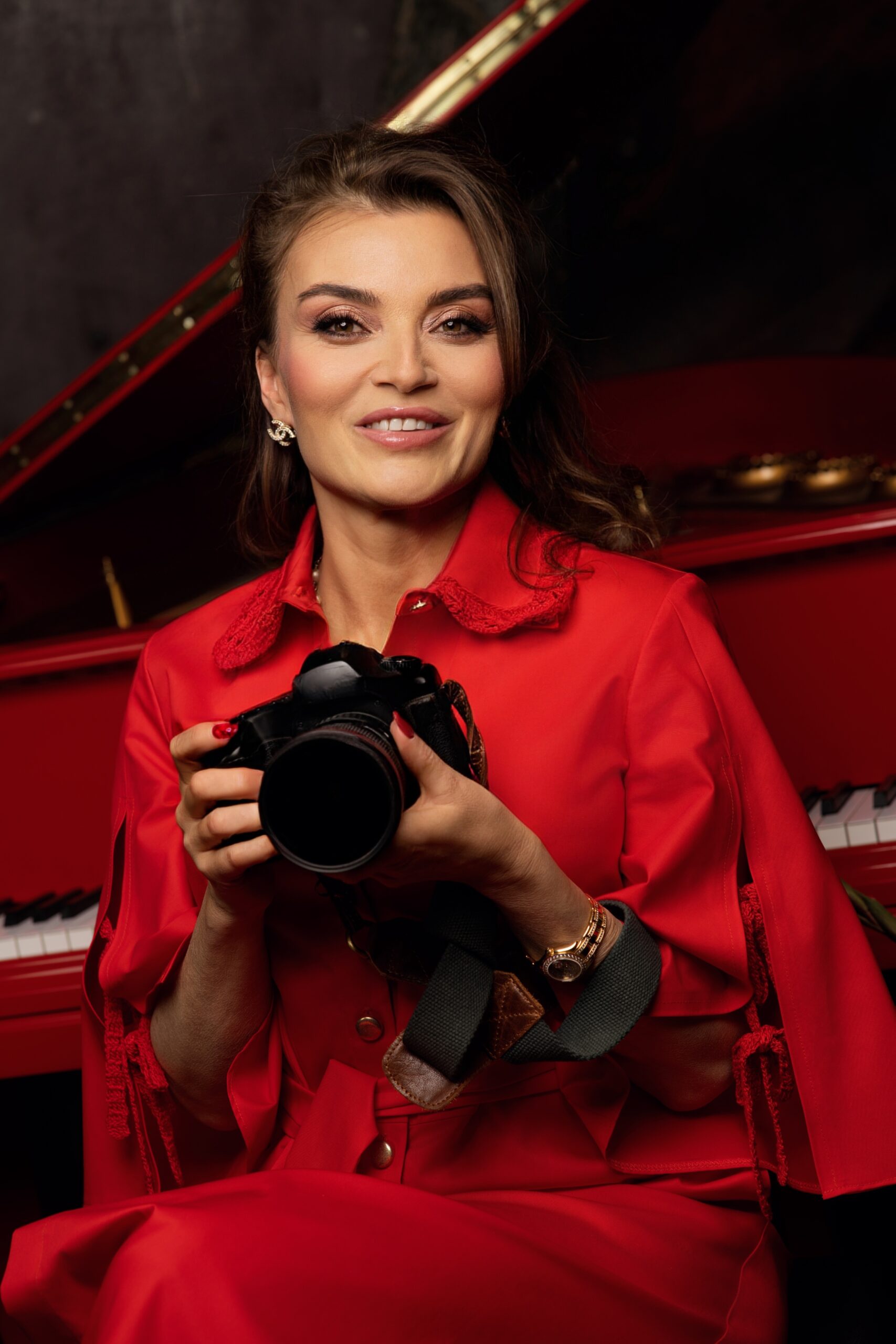
Today the Mokate Group is comprised of several enterprises operating in Poland, Czech Republic, Slovakia, Hungary, United Kingdom, South Africa and Dubai which export their products to nearly all the countries in the world. The company has three production plants, in Ustroń, Żory and Votice in the Czech Republic. Mokate’s revenues amount to nearly PLN 1.5 billion per year, and 80% of them come from foreign markets. The company employs more than 1500 people all over the world. The most well-known brands in the Mokate portfolio are: LOYD, Mokate, Minutka, Marilla, Marizzi and Babcia Jagoda.
Today, however, Mokate is not only about dynamic export, innovative products and successfully competing for consumers all over the world. The company is still a family enterprise, which is of great value to the whole brand.
MY MOKATE
As a Member of the Management Board and Proxy, I represent the fourth generation in the family company of MOKATE S.A. in Ustroń which has been operating for over 100 years.
Since the early 1990s, together with my family, I have been co-creating the strategy of industry expansion, actively participating in building the company’s international position. I oversee marketing activities, actively supporting the PR of the MOKATE Group. I am the initiator of a number of product innovations conquering the worldwide coffee and tea market.
In the key period for the company’s development, I headed the “Sylwia” Advertising Agency implementing successful marketing campaigns for our flagship product – Mokate Cappuccino. As the first completely Polish production, the TV commercial for this beverage belongs to the canon of national advertising art. More than ten subsequent TV commercials established MOKATE’s position as one of the most prominent food producers in Poland.
I have also brought the LOYD brand to the forefront of top Polish tea brands, putting it in the game for supremacy in many markets in Europe, Asia and Africa. I have gained the prestigious membership in the London Tea History Association for this brand.
I have secured Minutka tea as the national leader in its category. I have developed a competitive advantage for a number of other Mokate tea brands, including Babcia Jagoda, the entire range of functional teas and LOYD mulled wine teas.
I have won a considerable number of distinctions, awards and honorary titles for the Mokate Group.
These include Promotional Emblem of “Teraz Polska” (“Poland Now”), “Superbrands”, President’s Economic Award, Consumer Laurel, Product of the Year, Hit FMCG Product, Golden Receipt and many others.
SUPPORTING WOMEN…
Along with my professional work, I take an active part in social projects. I work systematically for women’s entrepreneurship, both in Poland and internationally.
Since 2014, I have been active in the Polish Women’s Entrepreneurship Network, serving the organisation with my authority and experience.
I hold the title of “Polish Ambassador of Women’s Entrepreneurship.” In 2016, I represented Poland at the “Women’s Entrepreneurship Day” in the UN headquarters in New York.
I have been involved in the global “Million Women Mentors” project, supporting the professional activation of women.
I take part in charity activities. The main goal of these activities is to help children and schools in need. I participate in the most prestigious cultural events in Poland and abroad.
PRIVATELY
Apart from my professional and social activities, I am passionate about photography and aviation (helicopter pilot course).
Apart from the world of marketing and research, I am also a fan of travelling and good literature. I have gained recognition as the co-author of the widely read novel “Herbaciarz. Gdy życie staje się podróżą” (“Tea lover. When life becomes a journey”) and the series of guides: “Doskonale niedoskonali” (“The perfectly imperfect”). I continue this type of literary work in Poland and abroad.
I take an active part in many scientific works on international markets, the results of which are published in the form of scientific journals of the University of Economics in Katowice, the Warsaw University of Life Sciences or the Forum Scientiae Oeconomia, books, articles and publications in business media.
My doctoral thesis was translated into English and published by the Dutch publishing house: Wageningen Academic Publisher under the title “Consumers towards marketing strategies of coffee producers.”
I translated Orson Scott Marden’s book “Success Under Difficulties And The Uses Of Obstacles” into Polish. This book was published in a limited collector series.
Key information from the blog

Extraordinary tea – a beverage that created an entire culture
Although it originated in China, it was the Japanese who elevated tea to the status of an art form. Thanks to them, tea influenced architecture, gardening, crafts and aesthetics, becoming much more than just a drink. Tea pavilions were built and famous Japanese gardens were designed by masters of the tea ceremony. Even today, it is difficult to imagine Japanese ceramics, textiles, lacquerware and paintings without the subtle influence of this tradition.
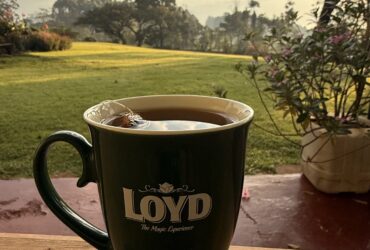
Is strong tea simply tea that has been brewed for longer?
Many people think that ‘strong tea’ simply means tea that has been brewed for a long time. But is this really the case?

Tea bags – from luxury to everyday use
Although they are now commonplace, tea bags only appeared on the market in 1908. They were invented by New York importer Thomas Sullivan who wanted to promote his teas in an original way. Instead of using traditional tins, he sent samples to customers in small silk bags. This idea caught on, but silk was quickly replaced by cheaper materials on a larger scale: first gauze, then paper, and finally artificial silk.
Did you like it?
Do you want more?