


lifestyle
How the world drinks coffee. The differences that reveal more than statistics
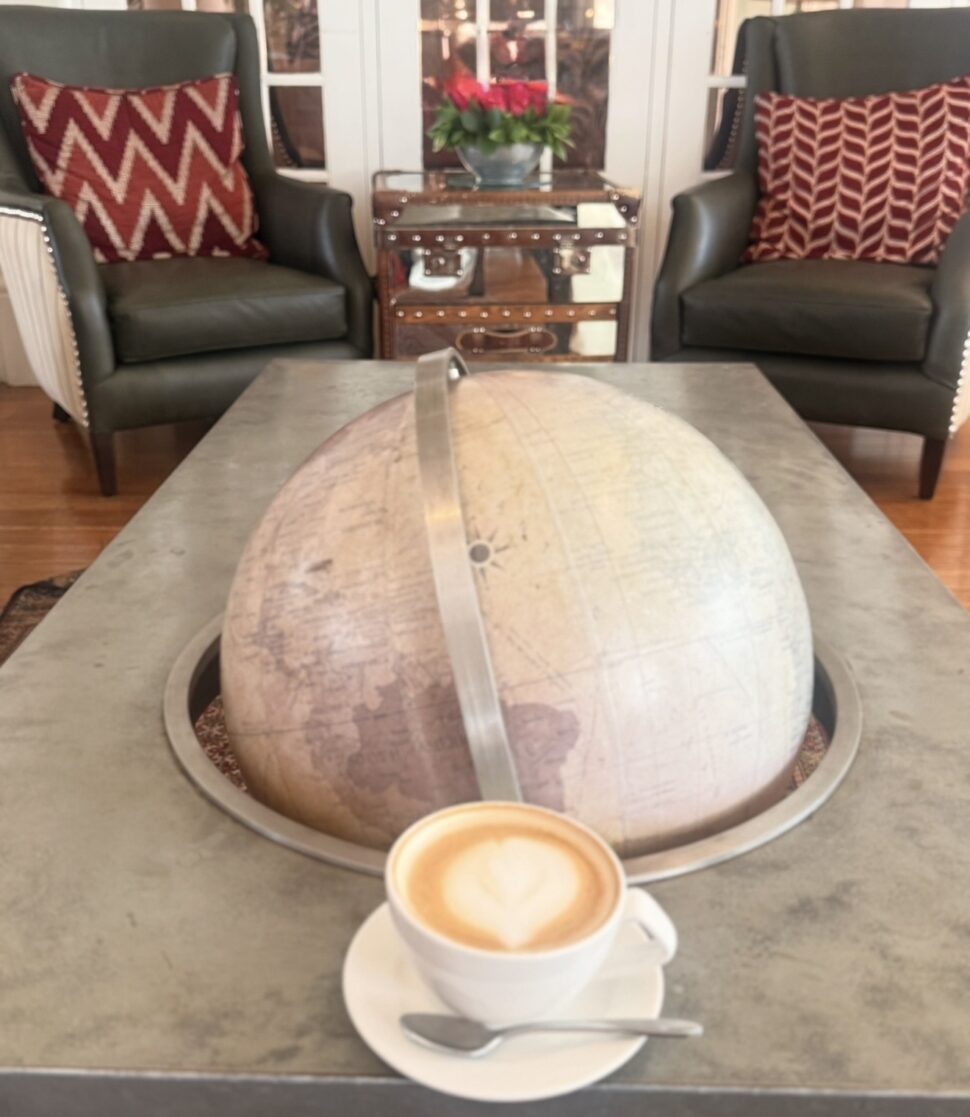
Coffee is one of the most widely consumed drinks in the world, but the way it is enjoyed varies greatly from country to country. The differences between countries are striking and often reveal more about lifestyle than consumption figures alone.
Contrary to popular belief, it is not the Italians or the French who drink the most coffee, but the inhabitants of Luxembourg who drink more than 5 cups a day. Close behind them are the Finns drinking around 4 cups. This shows that the heart of coffee culture is not necessarily where its symbols are most prominent.
Even more interesting than the quantity is how the coffee is drunk.
In Scandinavia, filter coffee dominates – light and delicate, it is drunk throughout the day. This approach is based on continuity, being calm and spread out over time. There, coffee is not an accompaniment to a specific moment, but a natural part of the day.
Italy has a completely different philosophy. Here, coffee is short, intense and to the point. Espresso is drunk quickly and frequently at a bar, without any additives. The focus is on quality and intensity, in terms of both flavour and experience.
The United States has developed a different model – large coffees, often for drinking on the go. It is there that the ‘coffee to go’ culture has developed most strongly, with coffee drinks becoming an everyday product available in many varieties and flavours.
In contrast, Asia, particularly Japan and South Korea, highlights the growing importance of aesthetics and precision. There, coffee frequently combines quality with presentation – it is not just about the flavour, but also how the drink is prepared and served.
Poland lies somewhere between these models. Statistically, we drink around 2.5-3.7 kg of coffee a year, which equates to approximately one cup a day. This is significantly less than in leading countries, yet the market is growing rapidly.
Ground and instant coffee still dominate our daily choices, but the importance of whole bean coffee and automatic coffee machines is growing markedly. Not only is what we drink changing, but also how we choose it, with increasing attention paid to quality, origin and preparation methods. Alternative methods, though present in trends, remain niche.
Looking globally, it is difficult to speak of a single dominant coffee culture today. Each market is developing its own approach, while simultaneously drawing inspiration from other parts of the world at an ever-increasing rate. Scandinavian lightness, Italian intensity, American convenience and Asian attention to form are beginning to coexist.
And it is precisely this diversity that is most interesting today, because it shows that coffee does not have a single meaning. It can be quick or slow, simple or complex, an everyday drink or something more special.