


lifestyle
Matcha – green tea in its most concentrated form
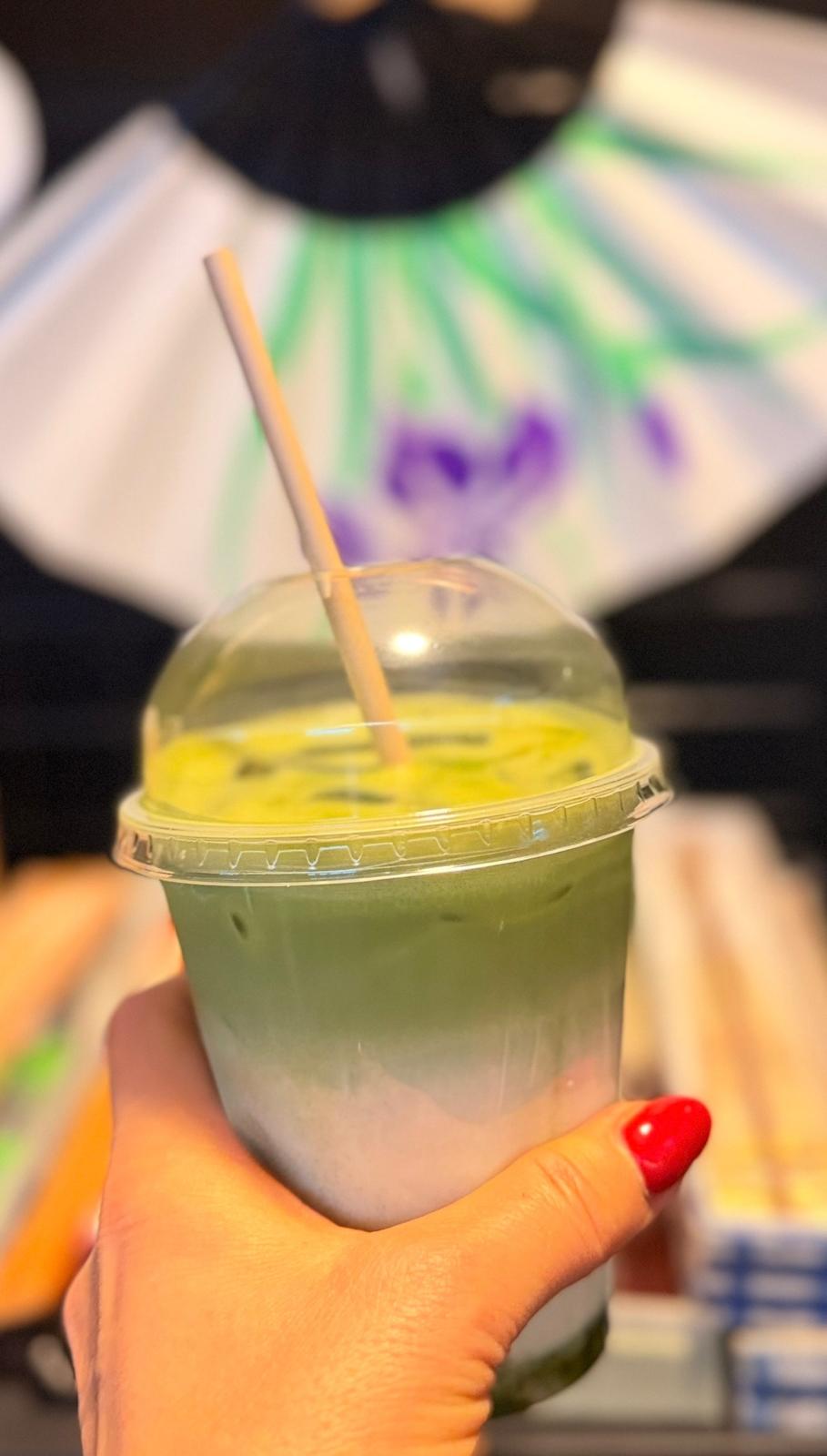
In recent years, matcha has gained immense popularity around the world. It can be found in cafés, restaurants and people’s homes alike. However, before it became a trendy ingredient in lattes and desserts, it had been an important part of Japanese tea culture for centuries, and a symbol of mindfulness and simplicity.
Matcha is more than just another type of green tea. It is a completely different experience – both in taste and in the way it is prepared.
What exactly is matcha?
Matcha is powdered green tea, made from the highest quality leaves. Unlike traditional teas, with matcha we do not pour water over the leaves and discard them after brewing. We drink the entire infusion together with the finely ground leaves, making the flavour more intense and the experience more complete.
The matcha production process is unique. A few weeks before harvesting, the tea bushes are shaded, which slows the plant’s growth and increases the chlorophyll content in the leaves. This is precisely why matcha has its characteristic, intensely green colour and delicate, plant-like flavour.
After harvesting, the leaves are dried, stripped of stems and veins, and then ground very slowly in stone mills. The result is a fine, velvety powder – matcha.
Matcha in Japanese tradition
Matcha has held a special place in Japan for centuries. It is around this tea that the traditional tea ceremony was developed, emphasising the simplicity, harmony and mindfulness of the present moment. Preparing matcha is not merely a matter of brewing tea – it is a whole ritual with its own significance and rhythm.
Although we rarely practise the classic tea ceremony today, elements of this philosophy are still present. Preparing matcha requires a moment of calm and focus – offering a moment to slow things down during the day.
How to prepare matcha
Preparing matcha differs from traditional tea brewing. Instead of steeping leaves, we mix the powder directly with water.
Basic guidelines:
water temperature: approx. 70-80°C
amount of matcha: approx. 1-2 grams (half a teaspoon)
water: 60-100 ml
Matcha is best frothed using a bamboo whisk until a delicate foam forms – this is the hallmark of a well-prepared brew.
Although traditional accessories are helpful, matcha can also be prepared in a simpler way – by stirring it vigorously in a mug or using a milk frother.
Different varieties of matcha
Matcha can vary in character depending on its quality and intended use. The most common types are:
Ceremonial matcha – delicate, mild, and intended to be enjoyed on its own.
Culinary matcha – slightly bolder/more robust, ideal for lattes, desserts, and baked goods.
Keep in mind that good matcha should not be bitter. Its flavour is rather mild and slightly sweet, with a delicate grassy note.
Matcha in everyday life
Although matcha has a long history, today it fits perfectly into the modern lifestyle. It can be enjoyed traditionally, but also as:
matcha lattes
cold drinks
smoothies
desserts and baked goods
It is a tea that blends tradition with modernity. It preserves its history whilst embracing innovative ways of being served.
A green moment in the day
Matcha is not meant to be rushed. Its preparation, colour, and aroma invite you to pause for a moment. It is a drink that sets a calm pace and allows for a moment of mindfulness.
Perhaps that is why, despite the passage of time and changing trends, matcha remains one of the most distinctive and highly regarded forms of green tea.