


lifestyle
Oolong – a tea between green and black teas
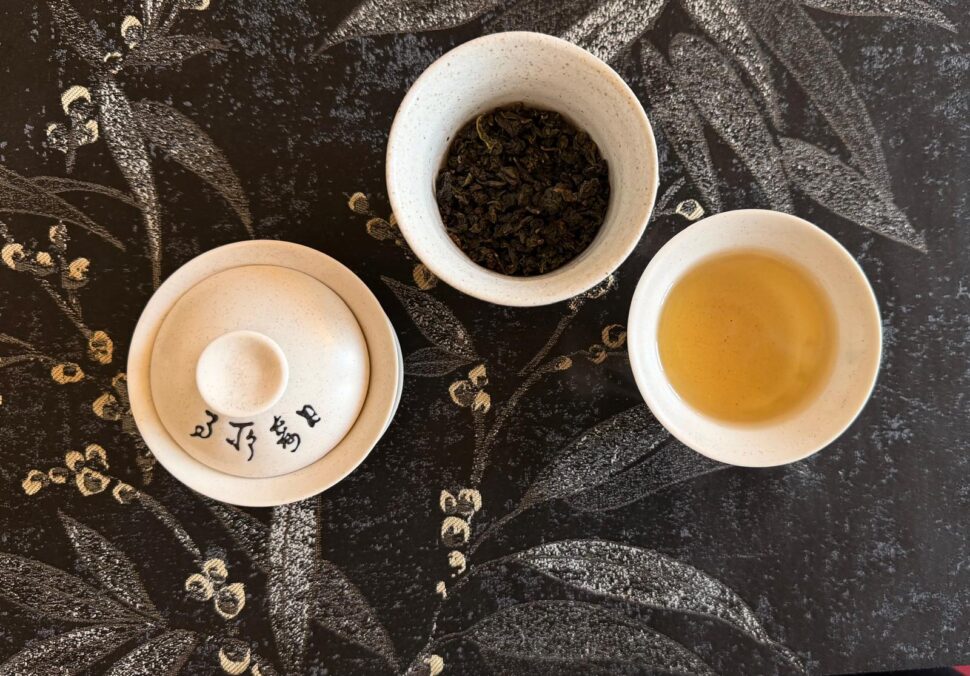
The world of tea is incredibly diversified, but few tea varieties arouse as much curiosity as oolong. It is often referred to as an “in-between” tea. It is neither green nor black, although it has the properties of both. Its character stems from the production process which is based on partial oxidation of the leaves.
It is the degree of oxidation that allows oolong to take on very different faces. Some teas in this category are light, delicate and nearly floral. Others have a deep, roasted aroma with notes of nuts, honey or caramel. The difference between the two can be so great that people just learning about oolong often do not believe that all of these infusions are made from the same plant, the Camellia sinensis shrub.
The history of oolongs takes us primarily to southern China and Taiwan. Such regions as Fujian and Guangdong have been developing techniques for the production of this tea for centuries. The process is complex and requires great precision. After harvesting, the leaves are first lightly dried in the sun and then repeatedly shaken or gently kneaded. This stage begins the oxidation process.
The key moment is to stop this process at the right time by heating the leaves. If the oxidation is stopped early, the resulting oolong has a very fresh, green character. If it lasts longer, the tea acquires deeper, more pronounced aromas.
This is why oolong is often referred to as the most “artisan” tea. It requires experience and flair from the producer. A small change in the timing or temperature can completely change the nature of the infusion.
For many tea lovers, oolong is also a tasting tea. The leaves of this tea are usually brewed repeatedly. Every successive infusion reveals different aromatic notes. The first tends to be light and fresh, the second is more complex, and the next one can reveal subtle notes of fruit or flowers.
This slow process of flavour discovery makes drinking oolong a bit like having a conversation. It is not a drink that is drunk in a hurry. Rather, it is an invitation to stop for a while and quietly explore more layers of aroma.
Perhaps that is why in the Chinese culture oolong often accompanies meetings and long conversations. It does not dominate, but creates space for a moment of peace and reflection.