


lifestyle
Tea bags – from luxury to everyday use
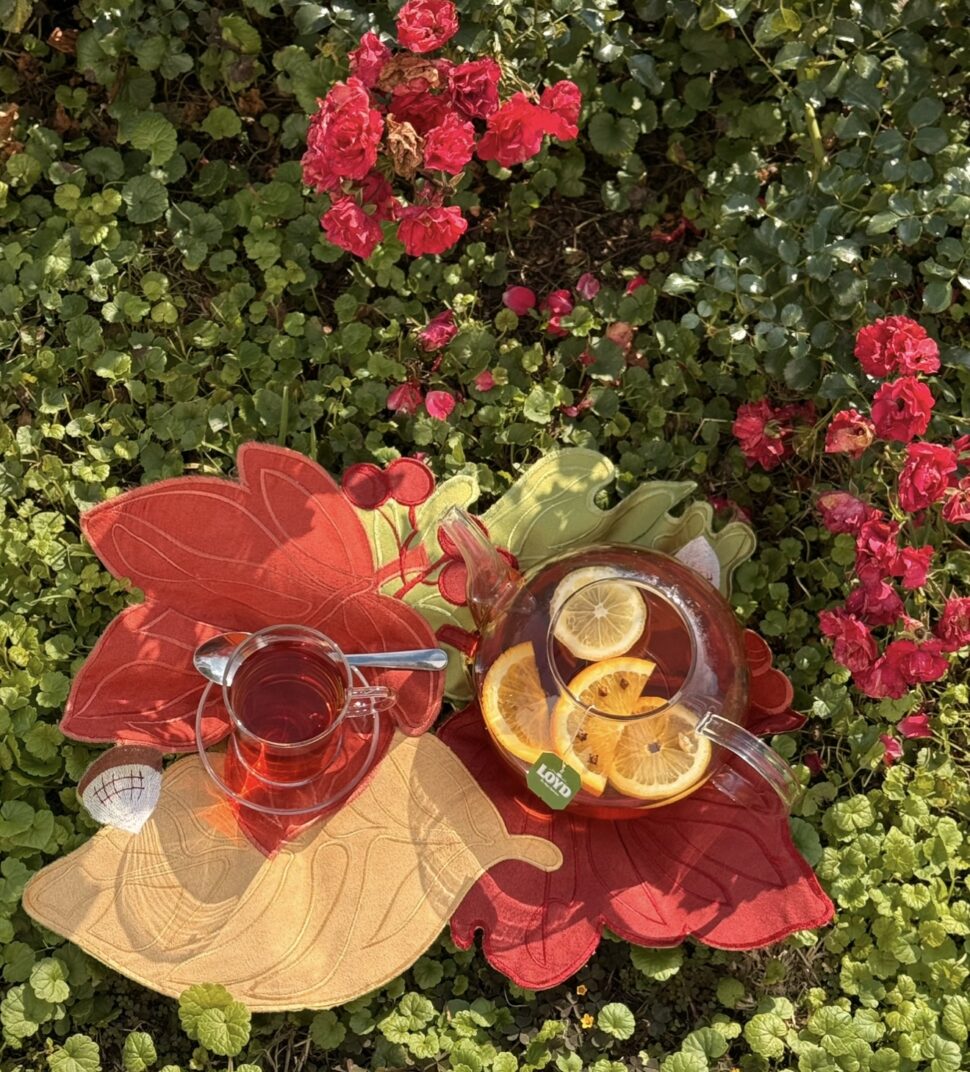
Although they are now commonplace, tea bags only appeared on the market in 1908. They were invented by New York importer Thomas Sullivan who wanted to promote his teas in an original way. Instead of using traditional tins, he sent samples to customers in small silk bags. This idea caught on, but silk was quickly replaced by cheaper materials on a larger scale: first gauze, then paper, and finally artificial silk.
In the 1930s, German engineer, Adolf Rambold, developed a material made of Manila hemp and thermoplastic fibres that was neutral in taste and practical to use. This material gave rise to the tea bag we know today.
From curiosity to standard
Initially, tea bags were treated as a luxury item. As recently as 1965, they accounted for just 7% of the market in developed countries. Today, however, the situation is completely different. It is estimated that up to 90% of the tea sold worldwide is in tea bags.
Shape matters
When choosing tea bags, it is worth paying attention not only to the type of tea, but also… to the shape of the bag itself. The smallest, tightly packed bags do not give the leaves enough space to unfold. It is this space that is key to allowing the full aromas and valuable ingredients to infuse into the brew.
This explains why pyramid-shaped tea bags are becoming increasingly popular – they provide more space for the leaves and enable the flavour of loose-leaf tea to be extracted. LOYD teas, among others, are available in this type of packaging.