


lifestyle
The ube latte and the colours of emotion. Why coffee is no longer just coffee
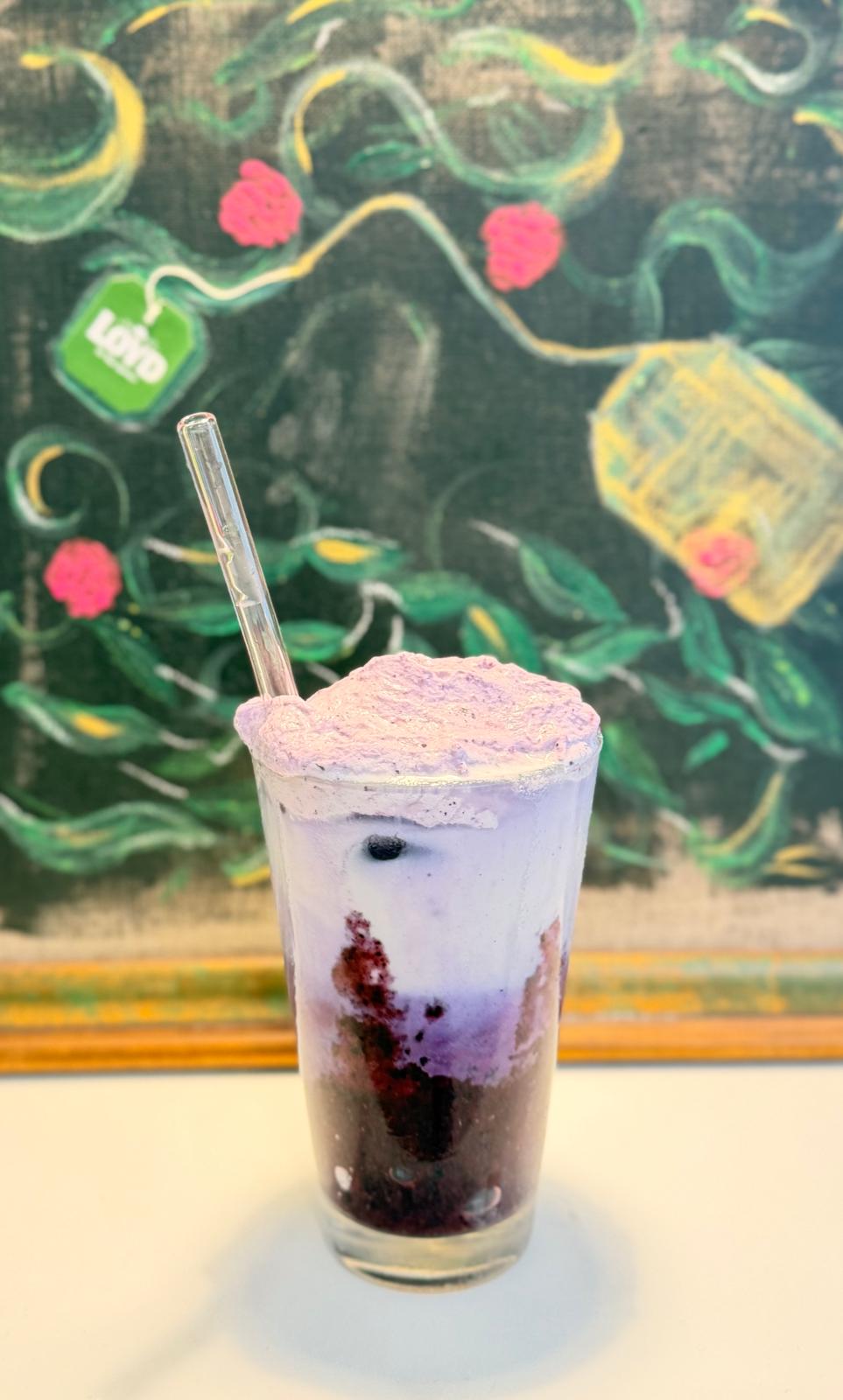
Not so long ago, the world of coffee seemed orderly. Espresso, cappuccino or latte – the choices were predictable and the ritual of drinking coffee was based on repetition. Today, however, this order is clearly changing. More and more often, it is no longer the classic flavours that attract consumer attention, but rather the colours, associations and experiences behind the drink.
A prime example is the growing popularity of ube, a purple ingredient originating from the Philippines. In a short space of time, it has appeared in cafés around the world, offering not only a new flavour, but also becoming a visual symbol of change. With its intense colour, exotic origins and delicate sweetness, it is hard to think of the ube latte as just a drink. It is more of an experience – something you want to see, taste and remember.
However, this is not an isolated case. Matcha functioned in a similar way in the past, and today, new ingredients are emerging, such as yuzu, coconut variations and creations inspired by desserts. This points to a broader trend: consumers are no longer just looking for flavour; they also want strong visual stimuli and new experiences.
From a market perspective, this is a fundamental shift. Flavour is no longer just a product attribute, it is becoming a tool for building a relationship with the consumer. Industry analyses indicate that drinks are increasingly chosen for comfort, pleasure and emotional associations, rather than purely for their functional qualities. This explains the popularity of compositions that combine familiar flavours with an element of surprise.
In this context, ube is not the most important thing. It merely symbolises a change that is taking place at a much deeper level. Consumers are becoming more curious, open-minded and, at the same time, more demanding. They seek products that offer an escape from the cares of daily life while seamlessly fitting into their lifestyle.
This is also a response to the pace of the modern world. Since many of our decisions are made automatically, it is precisely the small pleasures, such as coffee, that become a space where we want to experience something more. Colour, form and presentation – all begin to matter.
So, does this spell the end of classic coffee? Definitely not. Espresso and cappuccino remain the cornerstone of the market. However, their role is changing. Alongside ‘everyday’ coffee, ‘experiential’ coffee is becoming increasingly popular – coffee that is a conscious choice, rather than just part of a routine.
Therefore, the real trend today is not ube or any other ingredient. It is the need for experience. And this means that the future of the drinks market will be defined not by what we drink, but by how it makes us feel.