


lifestyle
Why the same tea can taste differently every day
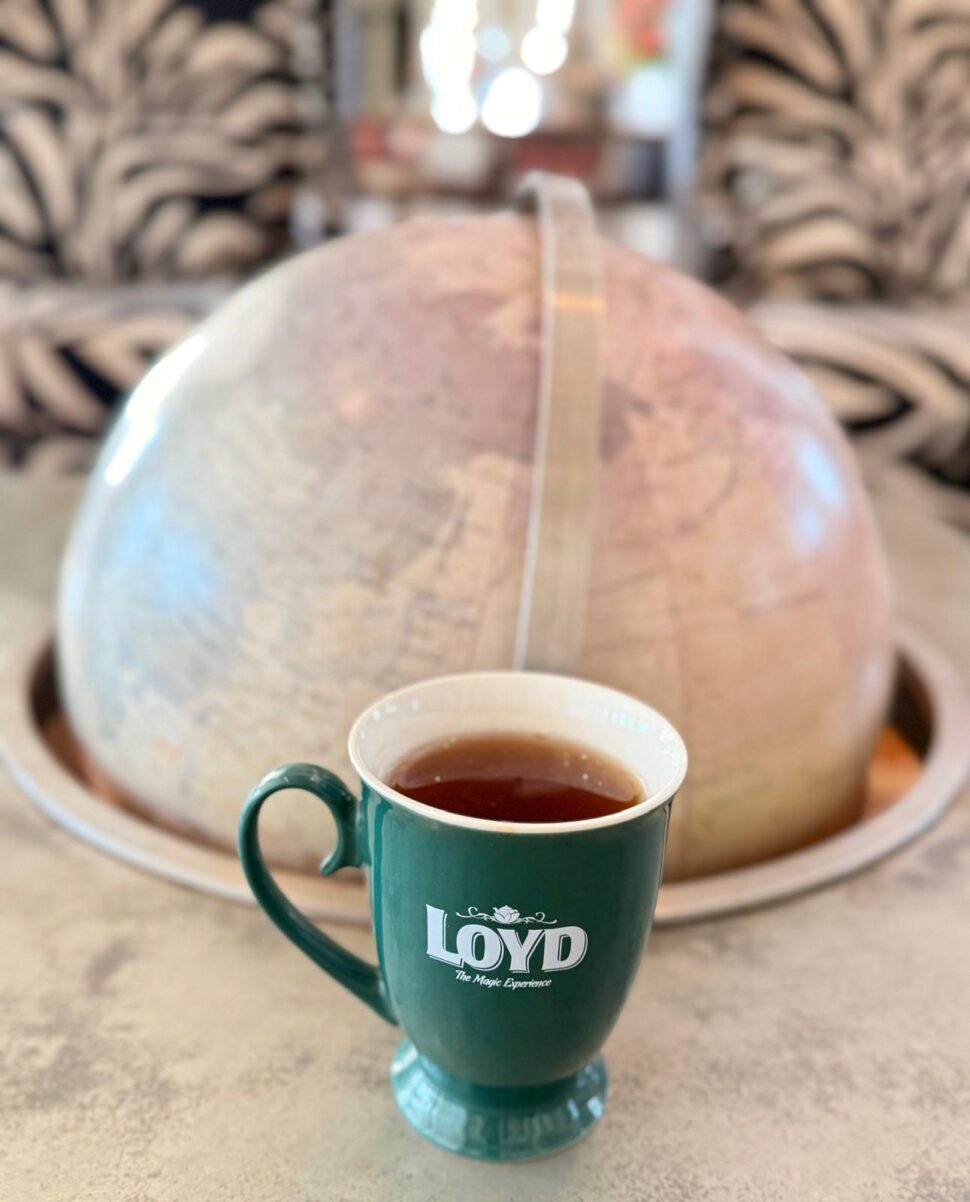
Many people who embark on their tea adventure notice an interesting thing. The same dried leaves, even brewed in a similar way, can taste completely differently than they did the day before. This may come as a surprise to some people, but in the world of tea it is a perfectly natural phenomenon.
In fact, the taste of infusion is affected by many factors. The most obvious are the water temperature and brewing time. Water that is too hot can make the tea bitter and too intense. On the other hand, if it is brewed for too short a time, the infusion becomes flat and not very aromatic.
But the brewing technique is only one side of the story. Equally important is the raw material itself. Tea leaves are extremely sensitive to the environment in which they grow. They absorb the aromas of the soil, the humidity of the air, and even the smell of plants growing near the plantation.
That is why it is said that tea, like wine, has its own “terroir.” Plantations located high in the mountains often yield teas that are more delicate and aromatic. Those from lower regions tend to be more intense and expressive.
The timing of the harvest is also important. Spring teas are usually light and fresh. Summer teas gain in intensity, while the autumn ones often have a more mellow, harmonious character.
The way in which tea is stored is also important. Leaves easily absorb odours from their surroundings, so it is best to keep them in airtight containers, away from light and moisture.
It is worth remembering one more factor, that is our own mood. After all, we respond to the taste of the infusion with all our senses. The same tea drunk on a quiet morning can seem quite different from the same cup drunk in a hurry during the day.
That is why experienced tea tasters often say that each infusion is unique. The goal is not to achieve an identical flavour every time, but to discover something new each time.